Short answer
Plan on roughly $6,500 to $13,000 for a new gas boiler in a typical Pittsburgh row home or older house, going by published local estimates. Steam piping corrections, a chimney liner, asbestos abatement and a condensing upgrade push a job toward the top. Only a look at your basement turns that range into a price.
Published local estimates put a full gas-boiler replacement at about $6,500 to $13,000 in a typical Pittsburgh row home or older single-family house. Treat that as a planning number, not a quote. Where a job lands depends on whether the system is steam or hot water, whether the chimney needs a liner, whether there is asbestos on the old boiler or pipes, how much piping needs correcting, and whether you choose a condensing boiler. Any published range must be confirmed for your specific home.
Below is what a complete replacement includes, the factors that push a job toward either end of that range, and how to get a firm number. If you would rather have someone look at the house, call (321) 478-0693. The technician we send gives you a price before any work starts.
What a Complete Replacement Includes
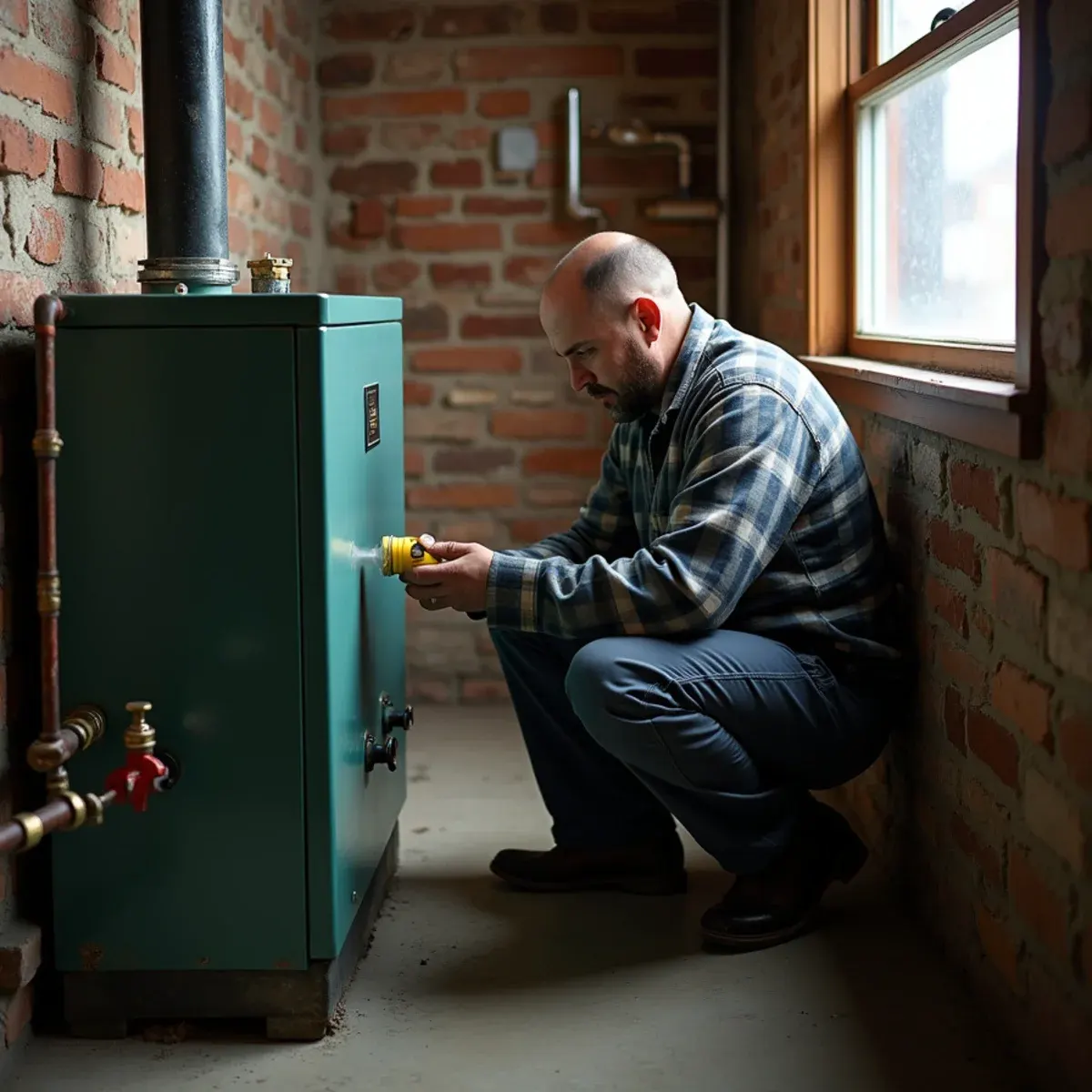
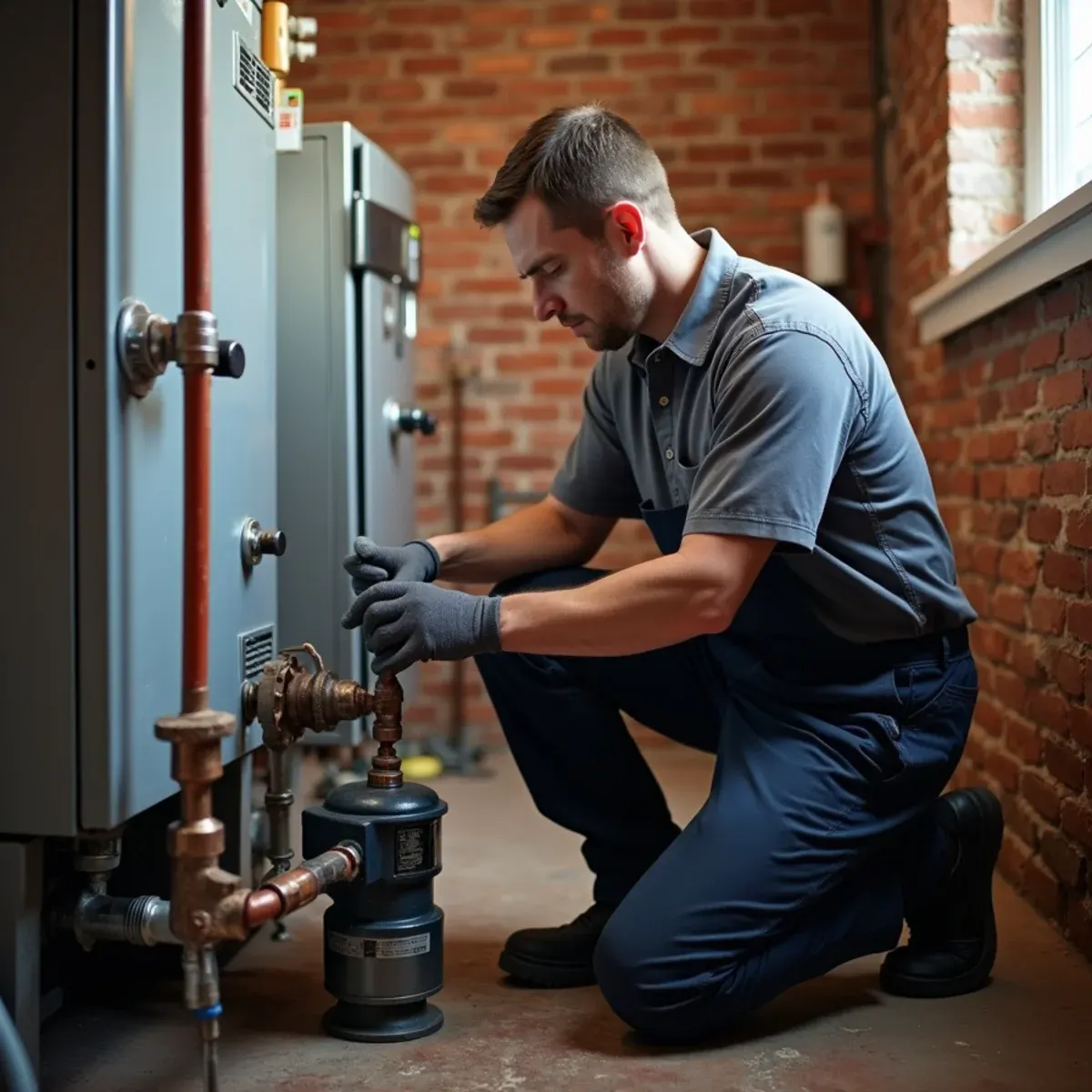
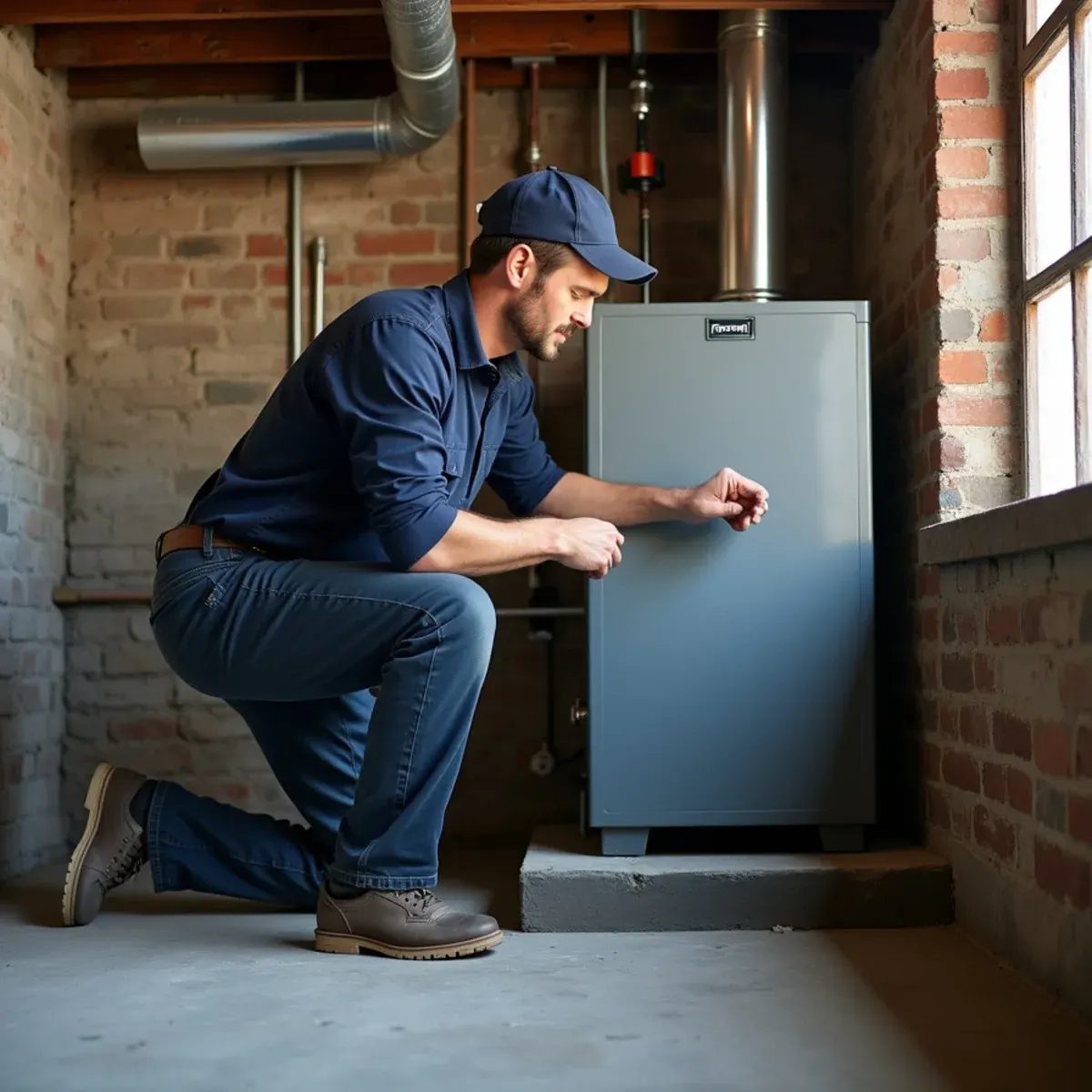
A boiler replacement is more than swapping one box for another. A complete job in an ordinary house normally covers:
- Draining the system and removing the old boiler, which in many Pittsburgh basements means breaking up a cast iron unit that weighs several hundred pounds and carrying it up narrow stairs.
- Setting the new boiler and reconnecting the supply and return piping.
- Connecting gas, power and the thermostat, plus the boiler's own controls and safety devices.
- Venting the new boiler, either into a lined chimney or through a sidewall.
- Filling and purging air, or skimming a steam boiler, followed by a full startup check.
Extras such as a new chimney liner, asbestos removal or rebuilt steam piping are where estimates start to spread out. Before you compare two numbers, ask exactly what each one includes.
What Moves the Price Up or Down
Six factors account for most of the gap between the low and high end of the published range.
| Factor | Pushes toward the lower end | Pushes toward the higher end |
|---|---|---|
| Steam or hot water | Hot-water boiler replaced like for like | Steam boiler with the near-boiler piping rebuilt to the manufacturer's diagram |
| Chimney and venting | Chimney already lined and sound, or a simple sidewall vent | Unlined masonry chimney that needs a liner, or a water heater left orphaned in the old flue |
| Asbestos | No old insulation on the boiler or pipes, or already removed | Old white wrap on pipes or boiler that must be tested and abated first |
| Piping corrections | Existing piping is sound and correctly sized | Earlier installs left a low header, a missing equalizer or leaking returns |
| Boiler type | Standard cast iron boiler venting into the chimney | Condensing boiler with new sidewall venting, a condensate drain and new controls |
| Access | Clear path from the door to the boiler | Narrow rowhouse stairs, low beams or a boiler wedged into a corner |
Why Steam Replacements Cost More
Much of Pittsburgh's pre-war housing still heats with steam, and a steam boiler is only as good as the piping right above it. The header, risers, equalizer and Hartford loop need to match the manufacturer's diagram. When they do not, the boiler throws water into the mains, the pipes bang and the sight glass bounces.
Steam boilers are also sized differently. The right size comes from measuring every radiator in the house and adding up their capacity, not from square footage. Skip that survey and you can end up with a boiler that is too big and short-cycles, or too small to heat the top floor. Both mistakes cost more than the survey would have.
A new steam boiler also needs its water skimmed after installation to remove the oil left from manufacturing, sometimes more than once. Ask whether that follow-up visit is part of the price.
Condensing or Cast Iron in a Pre-War House?
Condensing boilers are the most efficient option, but they only condense when the water returning to them is cool, roughly below 130 degrees. That suits hot-water systems with generous cast iron radiators, because big radiators can heat a room at lower water temperatures. It does not apply to steam, which needs a steam boiler.
A condensing install adds cost in other places: plastic venting through a sidewall, a condensate drain, often new controls, and sometimes piping changes or a new circulator. It also leaves the chimney behind. If a gas water heater still vents into that chimney, it can be left orphaned in a flue that is now too large for it alone, and the chimney may need a liner just for the water heater.
Old-House Surprises: Liners, Asbestos and Attic Tanks
- Chimney liners. Many Pittsburgh chimneys were built for coal and later served older gas boilers. A new non-condensing boiler often needs a properly sized liner to vent safely.
- Asbestos. Boilers and pipes from before about 1980 were often wrapped in asbestos insulation. Do not disturb it. If it has to come off, an abatement contractor tests and removes it before the boiler work starts, and that is its own line item.
- Gravity conversions. Hot-water systems that began as gravity systems may still have an open steel expansion tank in the attic. Converting to a sealed system with a diaphragm expansion tank is common and adds parts and labor.
- Permits. Many municipalities require a permit for a boiler replacement. Ask whether the price includes it.
Venting is a safety item, not a place to save
A boiler or water heater venting into a failing chimney can spill carbon monoxide into the house. If you smell gas or a CO alarm sounds, leave the house and call 911 or your gas utility from outside first.
What This Looks Like in Mt. Lebanon
Mt. Lebanon grew from 2,258 residents in 1920 to 13,403 in 1930, and its National Register historic district counts 3,341 buildings from 1874 to 1945. Many of those Tudors and colonials still run their original steam or gravity hot-water radiators behind a boiler that has already been replaced once or twice.
In those houses the radiators are usually worth keeping. The cost questions tend to be the chimney, the piping left by earlier installs, and whether a hot-water system can take a condensing boiler. Our page on boiler service in Mt. Lebanon covers the housing there in more detail.
Getting a Firm Number for Your House
Published ranges help you plan. They cannot see your chimney, your piping or what is wrapped around the pipes in your basement, so they must be confirmed for your specific home. A site visit does that.
- Know whether the system is steam or hot water and roughly how old the boiler is.
- Note any recent repairs and anything that keeps failing.
- Ask what the price includes: removal, venting, liner, permit, skimming and controls.
- Get the price in writing and approve it before work begins.
If your boiler still runs and you are weighing one more repair, compare against what boiler repairs cost in Pittsburgh. When you are ready for a site visit, start with our boiler replacement page. The technician explains the options and the price, and you approve it before any work starts.
From the technician's side
What a Technician Weighs Beyond the Install Price
The quote is only the first cost. Over 25 years or more, fuel, yearly service and the repairs a system invites matter as much.
- Online averages often price a different job. Some cost reports count labor for setting a gas boiler and leave out radiator, piping or venting work. Check what a figure includes before comparing.
- AFUE is a lab rating. An oversized boiler that short cycles rarely reaches its rated efficiency, so the sizing method shapes the gas bill more than a few rating points.
- Condensing boilers cost more to keep. Their yearly visit adds the condensate trap, the neutralizer and, in old system water, a heat exchanger cleaning a simple cast iron boiler never needs. Those parts are explained under hot water boiler repair.
- Steam savings come from the system. Clean water, working main vents and correct piping cut a steam bill more than any boiler upgrade, which is the work behind steam boiler repair.
Timing changes the bill too. A boiler that dies in January leaves no time to compare, and temporary heat comes on top. In the converted multi-unit houses on our Wilkinsburg boiler repair page, one failed boiler leaves several households cold at once, the strongest case for pricing a replacement before the season.
The lowest quote is not automatically the wrong one. A like-for-like cast iron swap on a sound hot-water system with a lined chimney is often right, and a condensing boiler the radiators cannot use rarely pays back.
Frequently asked questions
Can I keep my old radiators when the boiler is replaced?
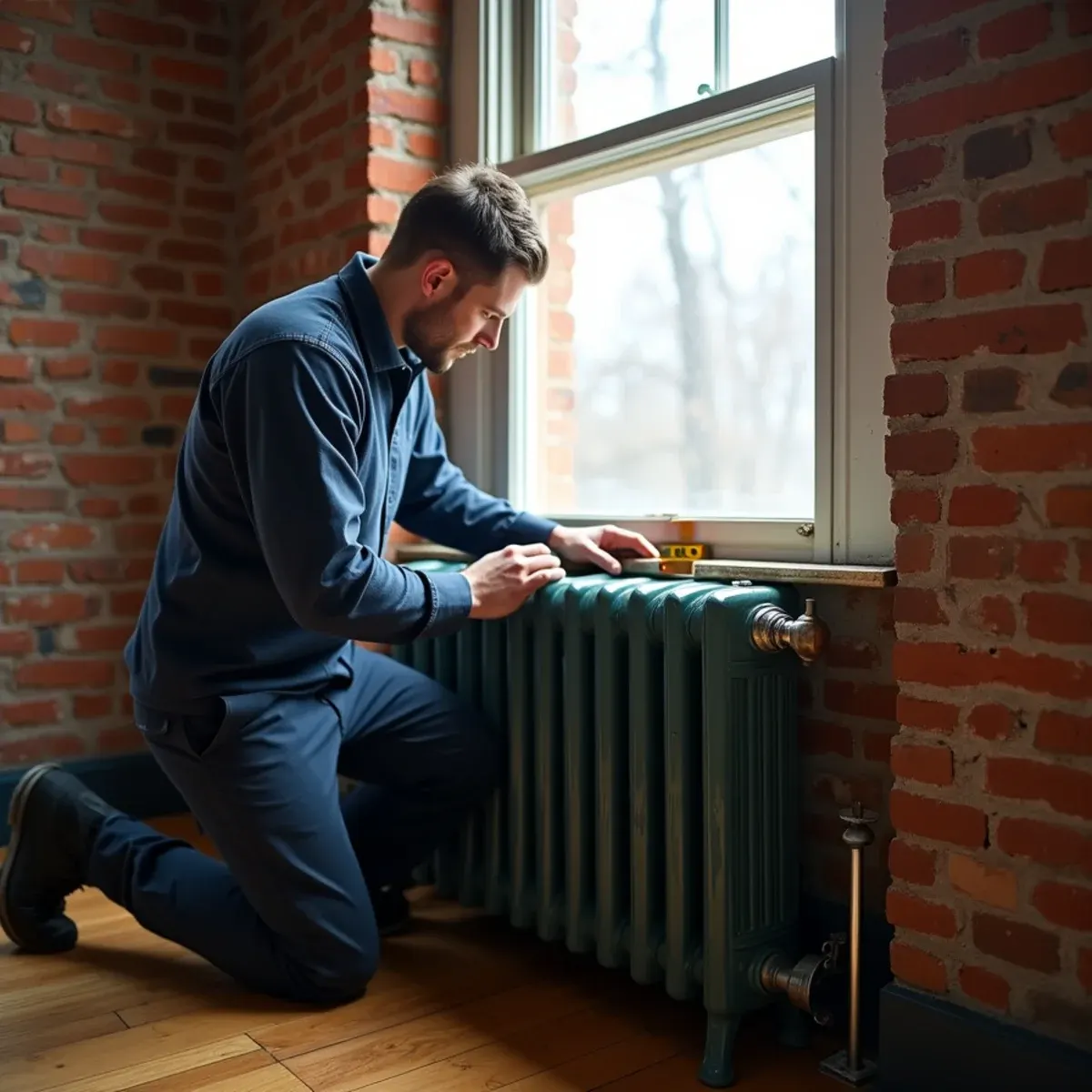
Yes, in most Pittsburgh houses. Cast iron radiators routinely outlast several boilers, and replacing them would add far more cost than it saves. The technician checks them during the survey: steam radiators need working vents and the right pitch, and hot-water radiators need to hold pressure without weeping at the valves. A few may need a new valve or vent, but the radiators usually stay, and their total size is what the new boiler is sized to.
How long does a boiler replacement take?
A straightforward like-for-like swap is often finished in one to two days. Steam jobs that need the near-boiler piping rebuilt, condensing installs with new sidewall venting, and houses that need a chimney liner take longer. Asbestos abatement is usually scheduled before the boiler work begins, which adds days to the calendar. If the replacement falls in a cold snap, ask how the house will be kept above freezing while the system is down.
Is a condensing boiler worth it in an old Pittsburgh house?
It can be, if the house has a hot-water system with large cast iron radiators that heat rooms well at lower water temperatures. Then the boiler condenses for much of the season, and over a long Pittsburgh heating season the fuel savings add up. It is not an option for steam systems, and with undersized radiators the boiler may rarely condense. The technician can compare radiator output against the house's heat loss before you decide.
Is there a tax credit for replacing a boiler in 2026?
No, not a federal one for most homeowners. The Section 25C energy efficient home improvement credit, which covered part of the cost of a qualifying high-efficiency gas boiler, does not apply to equipment placed in service after December 31, 2025. Utility and state programs change from year to year, so ask your gas utility what it offers before you sign, and get the boiler's make, model and AFUE rating in writing, since any program will ask for them. A rebate should never decide which boiler goes in.