
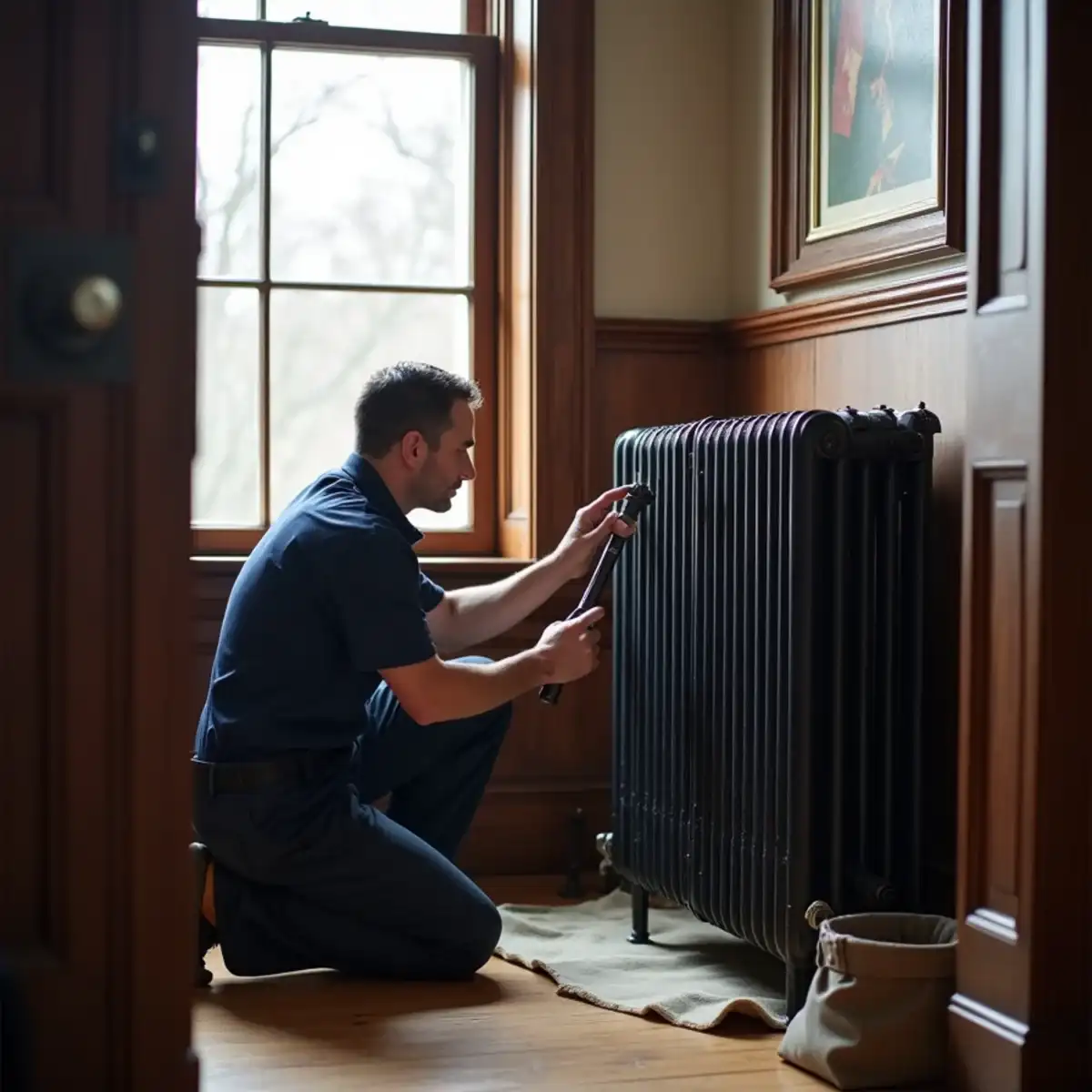
Boiler repair in Mt. Lebanon, PA is usually work on a heating system that is decades older than the boiler running it. Between 1920 and 1930, Mt. Lebanon went from 2,258 residents to 13,403. The Tudors and colonials built in that rush were heated by a basement boiler and cast iron radiators, and many of those radiators still do the job today, now fed by a second or third boiler.
Pittsburgh Boiler & Heating Repair answers calls from the township around the clock at (321) 478-0693 and sends an insured local technician who works on steam and hot-water systems. From central Pittsburgh the drive is usually 15 to 20 minutes through the Liberty Tunnel, and longer when the tunnel backs up.
Ninety-year-old radiators, newer boilers: the Mt. Lebanon pattern
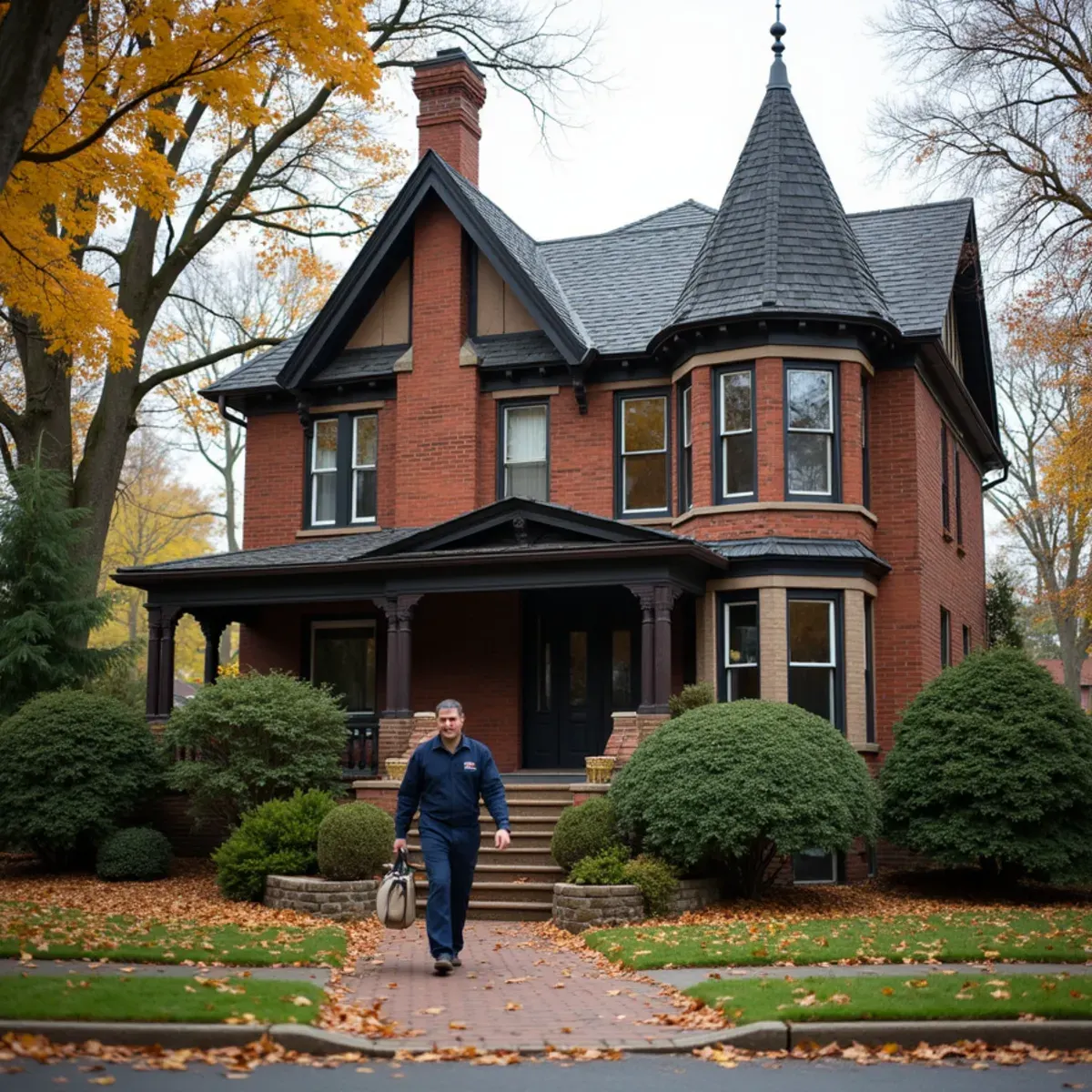
The township's National Register historic district counts 3,341 buildings dating from 1874 to 1945. That span covers the whole radiator era: one-pipe steam, two-pipe steam and gravity hot water, many of them later converted to a pump. With 34,075 residents, Mt. Lebanon is the largest municipality we cover, and its heating systems tend to be layered rather than original.
What that layering looks like in a basement:
- Near-boiler piping redone with shortcuts on steam systems, such as a missing equalizer or Hartford loop, which shows up as banging and a water level that bounces in the sight glass.
- Gravity hot-water systems with a circulator added while the old steel compression tank still hangs in the attic or basement ceiling.
- Zones added after the fact, with zone valves and a second thermostat installed when a family room or finished third floor came along.
- Ductless heat pump heads mounted for summer cooling, now sharing spring and fall with the boiler.
Where the calls come from, Uptown to Cedarhurst
After the Liberty Tunnel, the route into the township usually follows Washington Road toward Uptown, then fans out along Beverly Road and the side streets. We take calls from all three zip codes, 15228, 15234 and 15243, and from neighborhoods including Mission Hills, Virginia Manor, Hoodridge, Seminole Hills and Cedarhurst.
Winter requests run from a cold third-floor radiator to a dripping valve packing nut, and to steam boiler repair when a boiler locks out on low water or the mains hammer at every start. In warmer months the calls shift to mini-splits that stop cooling, handled as heat pump and mini-split repair.
Owners in the Mt. Lebanon Historic District often want the original look kept. The technician can rebuild valves, replace vents and stop leaks with the cast iron left in place, as our radiator repair page explains. On the same South Hills route we also cover boiler service in Dormont and Brentwood.
Planning a new boiler for a larger township house
Bigger houses mean more radiator surface, and that radiation, not square footage, sets the size of a new boiler. For boiler replacement in Mt. Lebanon, the technician measures the radiators, checks whether the chimney needs a liner and looks at near-boiler piping that may have to be rebuilt. Those items move the price more than the brand does, and our guide to boiler replacement cost in Pittsburgh covers the published local ranges. You approve the price before work starts.
Placeholder · Mt. Lebanon job story
Boiler and radiator services in Mt. Lebanon
- Boiler Replacement in Mt. LebanonNew steam and hot-water boilers sized to the radiation in Mt. Lebanon's larger pre-1945 homes, with the near-boiler piping and venting checked before a price is given.
- Radiator Repair in Mt. LebanonLeaking valves, failed air vents and cold upstairs rooms fixed while the original cast iron radiators in historic-district houses stay exactly where they are.
- Steam Boiler Repair in Mt. LebanonLow-water lockouts, pressuretrol and pigtail faults, and banging mains on the one-pipe and two-pipe steam systems still common across the township.
- Heat Pump and Mini-Split Repair in Mt. LebanonDuctless mini-splits added to radiator homes for cooling: drain clogs, refrigerant leaks, communication errors and outdoor units that ice up in January.
How we handle boiler calls in Mt. Lebanon's older houses
Four things the township's housing asks of a boiler technician, and how each call is handled.
Original cast iron kept in the historic district
Owners in the Mt. Lebanon Historic District often want ornate radiators kept, not traded for baseboard. The technician we send repacks valves, swaps vents and reseals unions with the radiator still on the floor, and suggests removal only when a section is cracked.
Layered systems traced back to the original piping
A second or third boiler on a system from the township's radiator era often hides a missing equalizer, an attic compression tank or a zone added later. Those get checked and named before any part is priced.
Replacement prices explained item by item
Larger township houses carry more radiation, so the new boiler, a chimney liner and rebuilt near-boiler piping can each move the total. The technician explains which of those your house needs and gives the price before the old boiler is disconnected.
Radiators and mini-splits on the same call
Plenty of township Tudors now pair radiators with ductless heads added for cooling, so one call can cover a short-cycling boiler and an iced mini-split. Every HVAC technician we send is licensed where Pennsylvania requires it, and insured.
Mt. Lebanon service-area map
Technicians cover all of Mt. Lebanon (ZIP 15228, 15234, 15243) and the streets on its borders.
Nearby areas we serve
Boiler repair in Mt. Lebanon: questions
Can the original radiators stay when the boiler is replaced?
Yes, in most Mt. Lebanon homes they can. Cast iron radiators outlast several boilers, so the usual job keeps them and replaces only the boiler and the piping right around it. The technician measures each radiator to size the new boiler and checks valves and vents while the system is drained. Steam radiators stay on steam, and a hot-water system may suit a high-efficiency boiler if its return water runs cool enough.
How do I add air conditioning to a Mt. Lebanon home that has radiators?
Most owners add a ductless mini-split heat pump. An outdoor unit feeds one or more wall heads through a small refrigerant line set, so nobody has to cut duct runs through plaster walls. The radiators keep heating the house in winter, and the heat pump can carry mild spring and fall days. Our part is repair: if an existing mini-split stops cooling, leaks indoors or shows an error code, the technician we send can fix it.
How fast can a boiler technician reach Mt. Lebanon?
We cannot promise a set time. From central Pittsburgh the drive is usually 15 to 20 minutes through the Liberty Tunnel, but a tunnel backup at rush hour, snow on the South Hills grades and the number of calls already open all change that. When you call, the dispatcher checks which technician is nearest and free and gives you a realistic estimate on the phone before anyone is sent.
My home has vents and a furnace, not radiators. Do you work on those?
No, not through this site. Pittsburgh Boiler & Heating Repair handles boilers, radiators and heat pumps. Forced-air homes with a furnace and floor or wall vents are handled by our sister site, Pittsburgh Furnace Repair, which also serves Mt. Lebanon. Not sure which you have? Look in the basement: a boiler connects to pipes that lead up to radiators or baseboard, while a furnace connects to large sheet-metal ducts.
Can a new boiler also heat the hot water in a Mt. Lebanon house?
Yes, on most hot-water systems. An indirect tank connects to the boiler as its own zone and heats domestic water from boiler water, which can retire the separate water heater sharing the chimney. Steam boilers can run one too, though it is less common. In larger Mt. Lebanon homes with several bathrooms, the technician accounts for that load when sizing a replacement and prices the tank separately, so you can decide whether it is worth adding.
Home on forced air instead of radiators? Pittsburgh Furnace Repair handles furnace calls in Mt. Lebanon.