Short answer
Most boiler repairs in Pittsburgh run about $300 to $950 in published local estimates. Small fixes such as an ignitor start near $100, and heat-exchanger or major control work reaches roughly $2,200. The failed part, steam versus hot water, access and part availability set your number, which the technician quotes before starting.
Published Pittsburgh-area estimates put boiler repair anywhere from about $100 to $3,025. Most ordinary repairs land around $300 to $950, while major heat-exchanger or control repairs run about $900 to $2,200. These are planning numbers from published local estimates, not a quote. What you pay depends on which part failed, whether the system is steam or hot water, how hard the boiler is to reach, and whether parts are still made for it. Ranges must be confirmed for your specific home.
Here is how those numbers break down by part, why the same repair costs more in one house than another, and when a repair stops making sense. The technician we send diagnoses the boiler and gives you a price before work starts, so treat the figures below as a planning tool.
Three Tiers of Boiler Repair
Most repair bills fall into one of three groups. The published local ranges line up roughly like this:
- Small fixes, toward the bottom of the range. A failed ignitor, a stuck radiator vent, a single control part. These are often one-visit jobs.
- Ordinary repairs, about $300 to $950. Circulator pumps, expansion tanks, gas valves, aquastats, relief valves and low-water cutoff work.
- Major repairs, about $900 to $2,200. Heat-exchanger work and major control repairs. This is where the repair-or-replace question begins.
A few jobs go higher, toward the top of the overall published range, usually when several parts fail together or a major repair meets very difficult access.
Published Ranges by Part
These component ranges come from published Pittsburgh-area estimates. The right-hand column is what tends to push a job toward the top of its range.
| Repair | Published local range | What moves the price |
|---|---|---|
| Ignitor | About $100 to $405 | Hot-surface or spark type, boiler brand, whether the burner has to come out |
| Expansion tank | About $200 to $805 | Simple diaphragm tank swap, or replacing an old steel compression tank in the ceiling or attic |
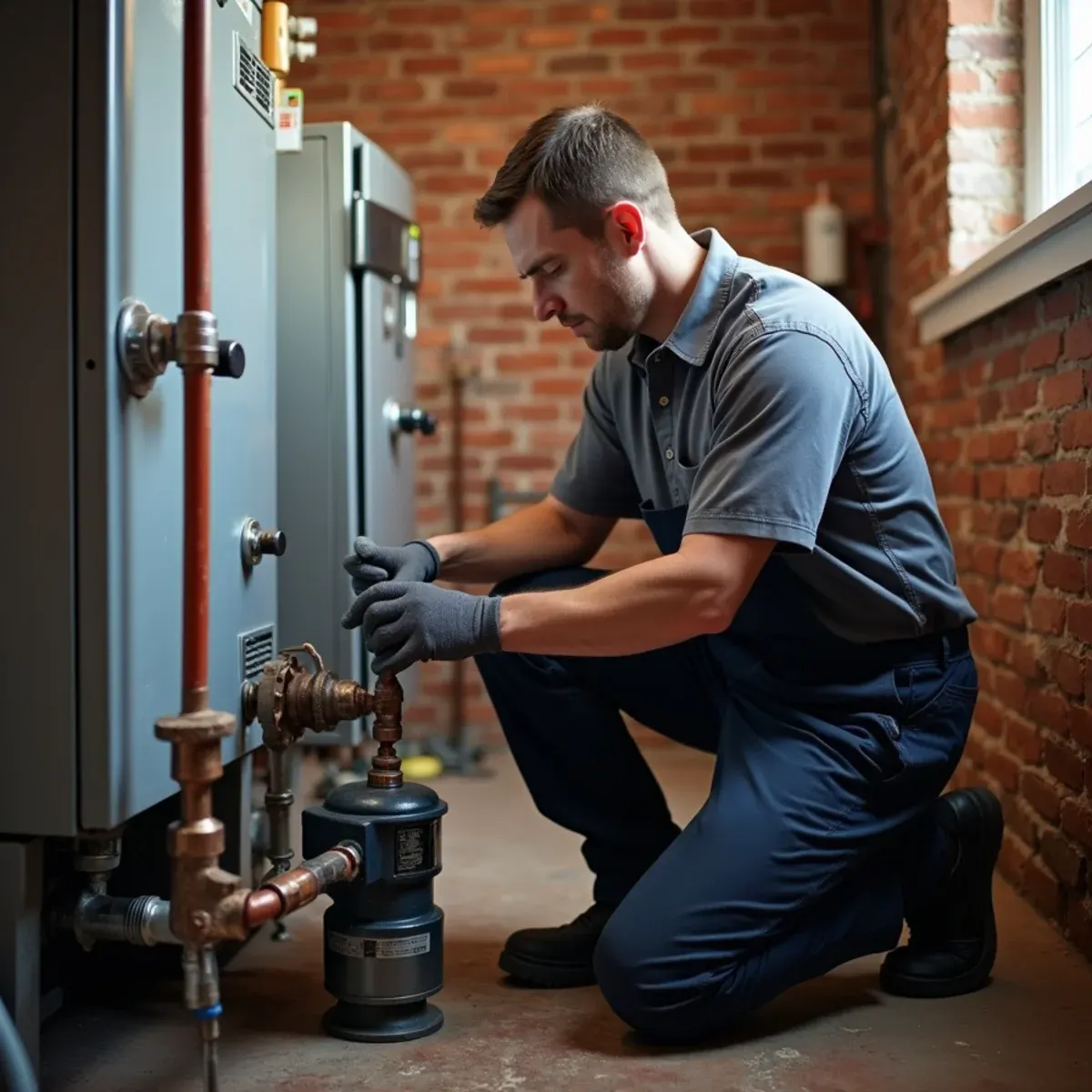
| Circulator pump | About $300 to $1,110 | Standard or variable-speed pump, flange condition, draining and refilling the system |
| Gas valve | About $200 to $1,110 | Standing-pilot or electronic-ignition valve, availability for older boilers |
| Aquastat or controls | About $150 to $505 | A simple aquastat or a modern boiler's integrated control board |
| Relief valve | About $150 to $505 | Whether the valve is the fault or a symptom of a waterlogged tank or failing fill valve |
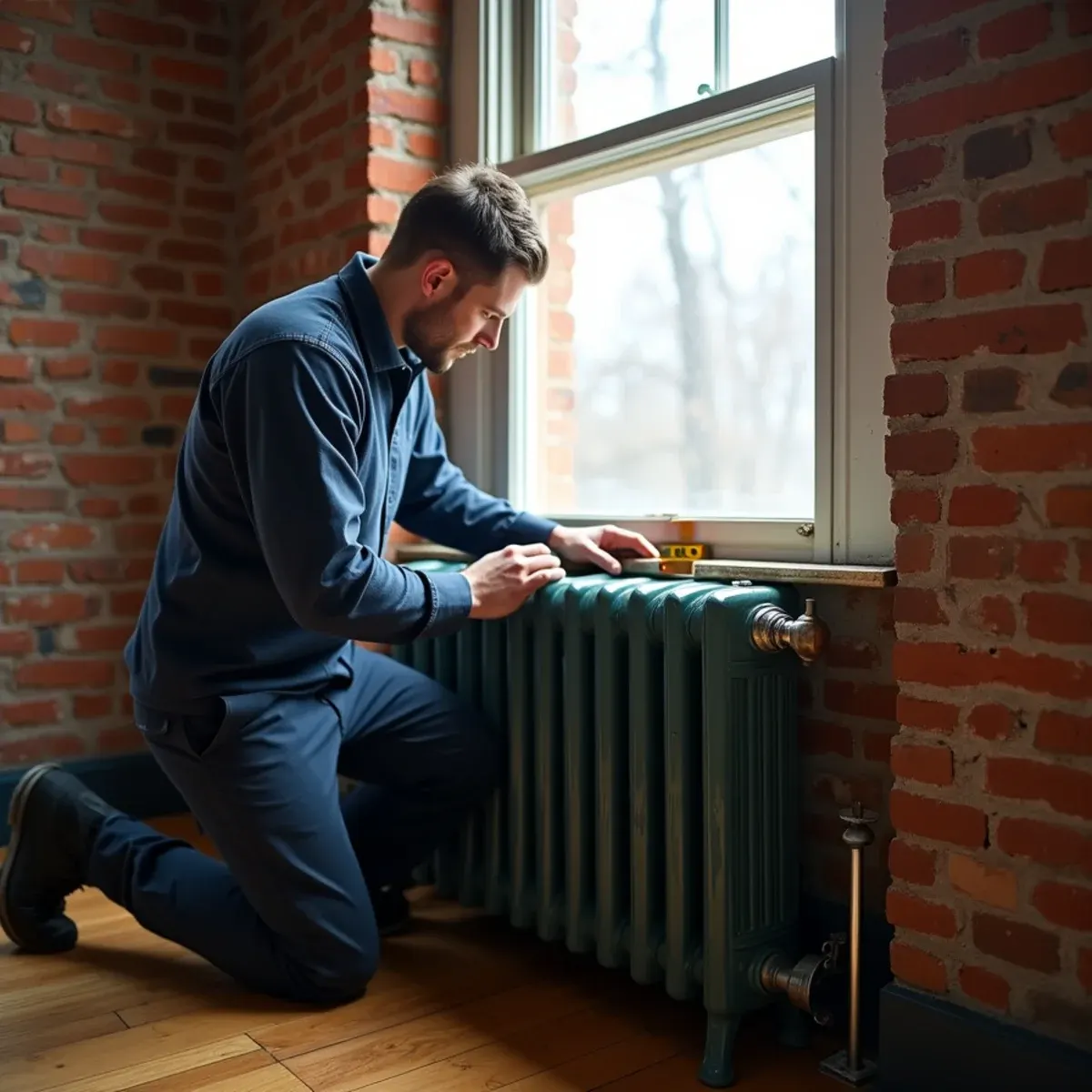
| Radiator repair | About $150 to $450 per radiator | A new valve or vent, or disconnecting and resetting a heavy cast iron radiator |
Planning numbers, not quotes
These ranges come from published local estimates and must be confirmed for your specific home. The technician explains what failed and gives you a price before work starts.
Why the Same Repair Costs More in Some Houses
- Access. A boiler squeezed under a low beam in a rowhouse basement takes longer to work on than one in an open utility room.
- Part availability. Boilers from the 1980s and earlier may need a universal part adapted to fit, or a part that has to be ordered.
- Draining and refilling. Circulator, valve and section work on a hot-water system often means draining part of the system, refilling it and purging air from the radiators.
- More than one fault. A relief valve dripping onto the floor is often a symptom. If the real cause is a waterlogged expansion tank, fixing only the valve means paying twice.
- Timing. Ask when you call whether a night or weekend visit is priced differently.
Steam Repairs vs. Hot-Water Repairs
Steam systems
Steam repair bills are usually about water and pressure. Common jobs include low-water cutoffs that fail or need cleaning, pressuretrols with a pigtail clogged by sediment, leaking sight glasses, worn automatic water feeders and failed main vents. Dirty or oily water that makes the boiler surge may need skimming. A boiler that keeps losing water points to a leak in the boiler or a return line, which can move the job into the higher tier. Our steam boiler repair page covers those parts in detail.
Hot-water systems
Hot-water systems wear out moving parts and pressure controls: circulator pumps, expansion tanks, fill valves, zone valves, aquastats and 30 psi relief valves. They show up as cold radiators on one floor, a pressure gauge that drops or climbs, or a relief valve dripping into a bucket. See hot water boiler repair for how those symptoms map to parts.
Gas parts are not a DIY saving
Ignitors, gas valves and flame sensors sit on the gas train. If you smell gas or a carbon monoxide alarm sounds, leave the house and call 911 or your gas utility from outside before calling anyone else. Do not keep resetting a boiler that locks out.
When a Repair Stops Making Sense
A repair is usually worth it when the boiler is sound and one part failed. The math changes when:
- A heat exchanger or cast iron section is cracked and leaking.
- A cast iron boiler is past the 25 to 30 years it commonly lasts, or a steam boiler is near the end of its typical 30 to 50, and it needs a major repair.
- You are paying for a second or third significant repair in a couple of seasons.
- Parts for the boiler are no longer made.
In those cases, weigh the repair against what a boiler replacement costs in Pittsburgh before you approve it. A good technician will say plainly when a repair means spending money on a boiler that has done its work.
A Common Pattern in Munhall and Homestead
The borough took shape next to Carnegie Steel's Homestead Works after it was formed in 1901, and most homes on the slope rising from The Waterfront date from the years when every house got radiators. Calls from there tend to follow one pattern: a worn-out boiler heating cast iron that is still in good shape. That is exactly the case where repair costs deserve a close look: the radiators and piping are often good for decades more, while the boiler itself may be on borrowed time.
If you are in Munhall, Homestead or West Homestead, our page on boiler repair in Munhall covers the area.
How to Get a Firm Price
Published ranges are a starting point. To turn them into a real number for your house:
- Note what the boiler is doing: not firing, short-cycling, leaking, banging, or a pressure reading out of range.
- Write down any error code, the boiler's brand and its approximate age.
- Ask the technician what failed, why, and whether anything else is close behind it.
- Approve the price before work begins.
The technician we send explains the repair and the price, and you approve it before any work starts. Every HVAC technician we send is licensed where Pennsylvania requires it, and insured.
From the technician's side
How a Technician Keeps a Repair Bill From Growing
Much of a repair bill is decided before a part leaves the truck: by the pricing model, the diagnosis, and how often the system gets drained.
- Know the pricing model. Some technicians charge a diagnostic fee and credit it toward the repair, some quote a flat rate per job, others bill hours plus parts. Know which before comparing. After-hours rates are covered on our emergency boiler repair page.
- One drain-down, not two. A circulator or zone valve job drains part of a hot-water system. If the fill valve or boiler drain is decades old, swapping it on the same drain-down beats a second visit.
- Universal or factory parts. A universal aquastat or ignition control is often on the truck tonight, while the factory part for an older boiler may take days. On a modern condensing boiler with a matched control board, the factory part is usually worth the wait.
- Condensing boilers cost more per repair. Sealed combustion, a modulating gas valve and an integrated board all cost more than cast iron parts.
The common rule that a repair costing half the price of a new boiler means replace is too blunt for steam. A failed pressuretrol on a 35-year-old steam boiler is a small fix on a boiler that may run years longer. In Bellevue's century-old houses, where boilers have often been swapped two or three times, the radiators and mains are usually the soundest part; our Bellevue boiler repair page covers that housing.
Frequently asked questions
Why do published boiler repair prices vary so much?
Because boiler repair covers everything from a new ignitor to heat-exchanger work, and the published Pittsburgh range of about $100 to $3,025 spans both. Within a single repair the price still moves with the boiler's brand and age, access in the basement, whether the system has to be drained and refilled, and whether more than one part has failed. That is why any published range must be confirmed for your specific home before work starts.
Is a steam boiler more expensive to repair than a hot-water boiler?
Not necessarily. The parts are different, not always pricier. Steam repairs center on low-water cutoffs, pressuretrols, sight glasses and vents, while hot-water repairs center on circulators, expansion tanks, and fill and relief valves. Steam does need a technician who understands steam, and problems in the near-boiler piping or the returns can turn a small call into a larger one. The diagnosis, not the system type, decides the price.
Is it worth repairing a 30-year-old boiler?
Often yes, if the repair is a single part such as an ignitor, aquastat or circulator and the boiler is otherwise sound. A major repair is harder to justify on a cast iron hot-water boiler that age, since 25 to 30 years is a typical lifespan, or on any boiler with a cracked section. Steam boilers commonly last 30 to 50 years, so age alone settles less. Ask the technician about the heat exchanger's condition before deciding.